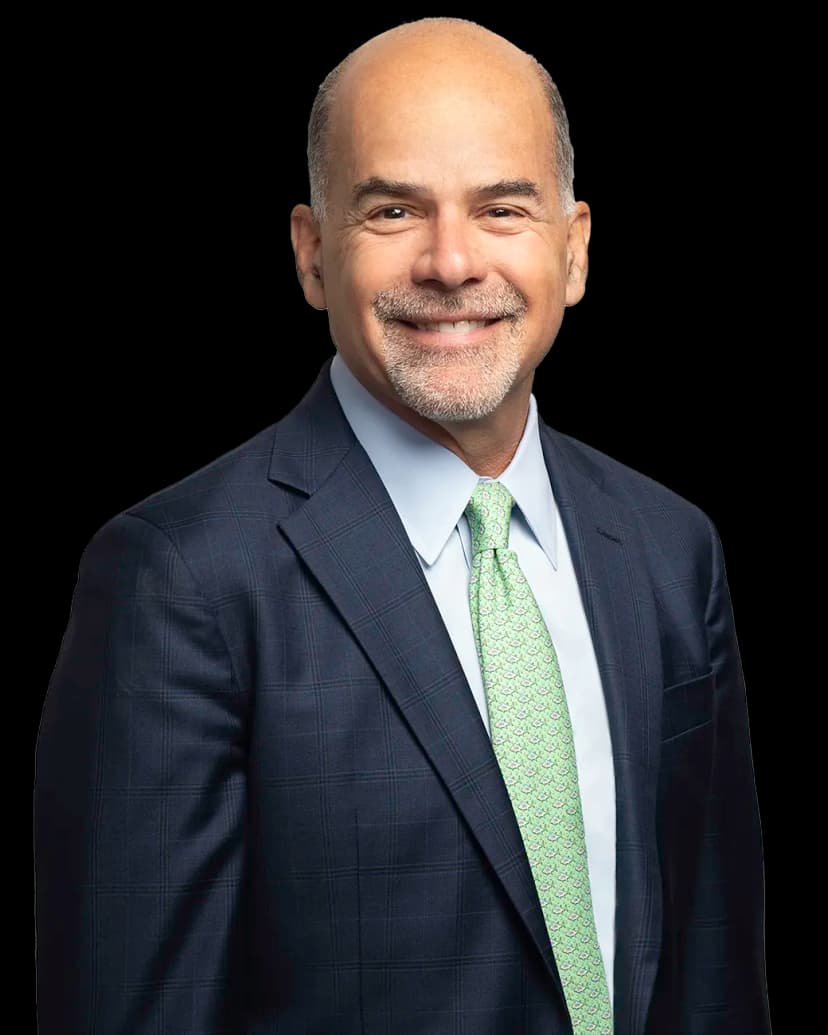
Stephen A. Pike, ICD.D
Partner
Co-head - Canadian ESG Advisory Services Practice


Article
4
In our earlier article, “The global fight against forced labour: Key developments for Canadian businesses,” it was noted that Bill C-35, An Act respecting the prohibition of the importation of goods produced by forced labour, received First Reading in the House of Commons on June 12, 2026. Bill C-35 provides that goods produced wholly or in part by forced labour are prohibited from importation into Canada and authorizes the Minister of Foreign Affairs to establish a list of goods in respect of which there are reasonable grounds to suspect that they are produced by forced labour.
Bill C-35 has moved to the next step in the legislative process, as it is currently at Second Reading in the House of Commons and, if the motion for Second Reading is passed, will be referred to the Standing Committee on Foreign Affairs and International Development for review.
The Minister of Employment and Social Development Canada (ESDC) has tabled its Annual Report (Report) in Parliament, as required under Section 24(1) of the Fighting Against Forced Labour and Child Labour in Supply Chains Act (Supply Chains Act). The Report is to contain a general summary of the activities of government institutions and entities that provided a report under the Supply Chains Act for their previous financial year that carry a risk of forced labour or child labour being used.
The Report also contains details of the steps that government institutions and entities have taken to assess and manage those risks, as well as details of measures taken by government institutions and entities to remediate any forced labour or child labour and any details of any enforcement taken.
Beyond reporting the statistics contained in the Report, a closer examination of the findings reveals important insights into the current state of supply-chain due diligence in Canada and the evolving expectations placed on businesses.
The following observations highlight emerging trends, common gaps, and practical considerations arising from the Report. Organizations may wish to compare their own Supply Chains Act report against these data points to assess alignment with market practices and identify opportunities for enhancement.
20.7% of reporting “entities” (as defined in the Supply Chains Act) indicated that they are headquartered or principally located in another country. This is an interesting insight into how companies outside of Canada are complying with this Canadian legislation even though many of these reporting entities may not necessarily be required to make this disclosure under their home legislation.
Reporting entities:
Government institutions:
Many have identified the following as one of the most challenging questions to answer:
Do government institutions and reporting entities have policies and procedures to assess their effectiveness in ensuring that forced labour and child labour are not being used in their activities, business, and supply chains?
|
Response |
Government institutions |
Reporting entities |
|
Yes |
19.5% |
54.4% |
|
No |
80.5% |
45.6% |
From an enforcement perspective, in 2026, no corrective actions related to forced labour or child labour were taken. In 2026, no orders were made by the Minister pursuant to Section 18 and no charges were laid against any person or entity under Section 19. It is not clear how corrective actions related to forced labour and child labour could be taken under the Supply Chains Act.
For more information about compliance with the Fighting Against Forced Labour and Child Labour in Supply Chains Act, contact Stephen Pike.
NOT LEGAL ADVICE. Information made available on this website in any form is for information purposes only. It is not, and should not be taken as, legal advice. You should not rely on, or take or fail to take any action based upon this information. Never disregard professional legal advice or delay in seeking legal advice because of something you have read on this website. Gowling WLG professionals will be pleased to discuss resolutions to specific legal concerns you may have.





Gowling WLG is an international law firm comprising the members of Gowling WLG International Limited, an English Company Limited by Guarantee, and their respective affiliates. Each member and affiliate is an autonomous and independent entity. Gowling WLG International Limited promotes, facilitates and co-ordinates the activities of its members but does not itself provide services to clients. Our structure is explained in more detail on our Legal Information page.
© 2026 Gowling WLG All rights reserved.