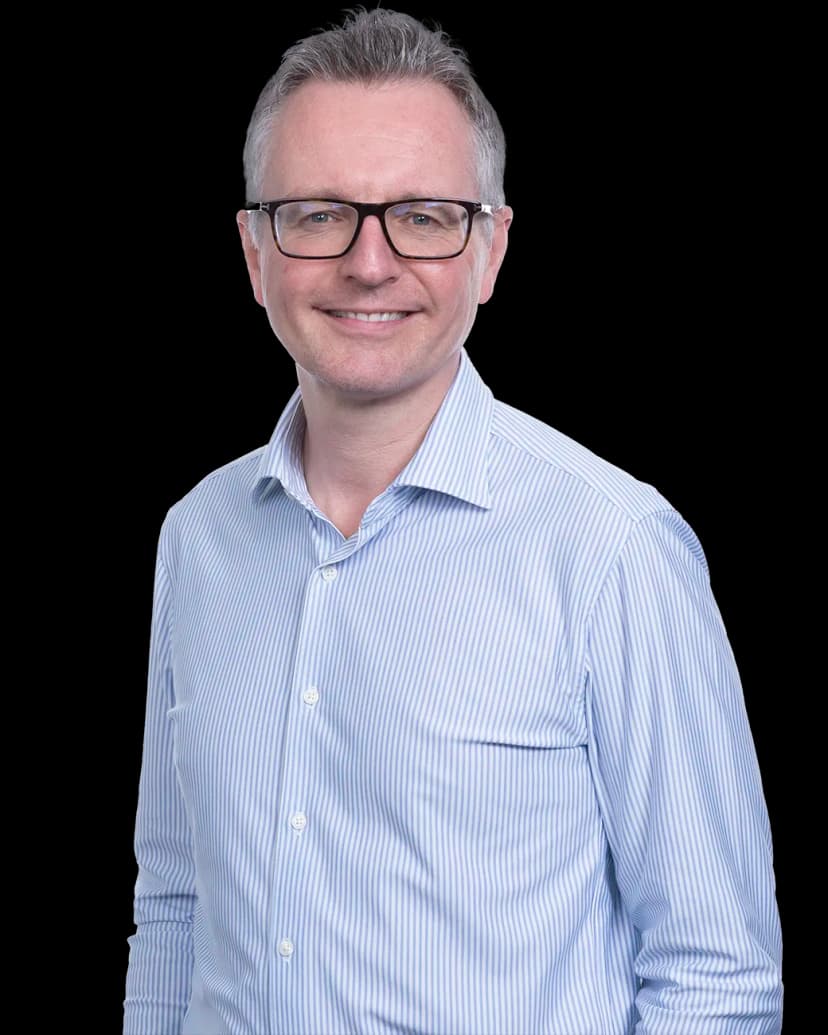
Jason Coates
Partner


On-demand webinar
Jason Coates: Good afternoon, everyone. A very warm welcome to the latest in the Gowling WLG scheme sessions webinars. Really excited about today because of our topic, nature, and because of our great panellists who are going to talk to us about that. Before I introduce the panellists just a few housekeeping notes.
So, first of all in terms of timing we are looking to run this webinar until 1pm we will finish by 1pm to let you all get off to lunch and your next things. At the bottom of your screens you should see a Q&A button, please feel free to use that if you want to submit any questions about today's discussion. We will try to pick up as many questions as we can, if we do not pick up your question we will follow up with you afterwards. Finally, just to let you know this is being recorded so you will be able to watch it again, share it with your family and friends as you see fit later.
OK, so the topic is nature and pensions investment. This is a really interesting and timely topic for pension schemes. We are looking to address today the practical elements of this in terms of smaller schemes and bigger schemes, we have got a wide variety of people who are joining us today from those different types of schemes from the advisory community, the regulatory community and other asset managers. So, we will be looking to really focus on the practical issues.
It is also timely, and we will be hearing from some of the panellists, the government published its Environmental Improvement Plan on Monday so we will be picking that up. That is very timely for this discussion.
So, to introduce our excellent panellists, first up we have got Bobby Riddaway. Bobby is an independent trustee, he is managing director of HS Trustees. Over 30 years experience in pensions and investment world and is the founder and chair of the Trustee Sustainability Working Group which is a cross-industry group of asset owners aiming to improve sustainability practices in UK pensions.
Mark Thompson, Mark has been involved in pension investment activities for over 35 years, 24 of those at the Prudential M&G where he undertook a variety of pension investment related roles and 8 years of CIO of the HSBC UK Pension Scheme where he designed and implemented its market leading climate change strategies. Mark is now on a number of pension scheme boards and investment committees.
Last but not least Ben Stansfield. Ben is the Head of Sustainability at Gowling WLG, one of the leading environmental lawyers in the UK and very pleasingly just picked up the Natural Resources and Environment Team of the Year award at the British Legal Awards for him and his team. So, Ben advises a number of our client across a broad spectrum of industries on climate and sustainability issues.
So, a very warm welcome to all three of you and thank you for joining us. So, let's kick off at the start really. What do we mean when we talk about nature, nature related risks and I guess a lot of the audience would be interested to know how is that different to climate change and climate related risks. Bobby maybe we kick off with you.
Bobby Riddaway: Yes, so climate and nature are inextricably linked. We release carbon when we cut down forests and release carbon when we dig up peat bogs and if you do not look into nature, if you have not looked into it, you find that most of nature is very financially beneficial or detrimental depending on what you do with it. So, it is not one of these esoteric, small asset classes that you might think of, thematic, it is very much the core of how we drive the economy, in not just the UK but in the world.
Jason: Great, thanks Bobby. Mark, how about you? Why is it important to you?
Mark Thompson: Well, I think it is the World Economic Forum that said 50% of global GDP depends on nature or is nature related, so it shows the scale of it as Bobby was saying. But I think it is interesting when you start thinking about nature and compare it climate because, as Bobby said, they are very linked and as pensions schemes we have got quite used to thinking about climate. But climate on one level is so much easier because it is all about carbon really, when you are talking about nature it is far more multi-faceted and it depends on the location you are talking about. Because of that it is very hard to get one measure, you have got to get lots of different measures depending on where you are.
One measure that I have seen that tries to summarise it is the Natural History Museum, they've got the Biodiversity Intactness Index the BII and that is a measure that looks at a particular area, say the UK, and if it was pristine from a biodiversity point of view it would get a rating of 100 and if it was really, really bad it would be 1. I think the last time I looked the UK was at about 57, and I think those kind of measures are quite interesting because you come out thinking well what can you do to make your 57, it would never get to be 100, but to make it better. So, it very much depends on location.
But the risks are the important bit. If we do not take this seriously, you have got risks of companies that are living off the biodiversity externalities and getting a free ride, that is going to hit them. There is transition risk like climate, regulatory change, reputational risks and finally as Bobby says, if you have got climate targets and you are not thinking about the biodiversity side, you are kind of one-handed clapping really, you need to keep them both together.
Jason: Ben, you would agree with that from your perspective, as you have a number of different clients in different sectors, how do they see climate and nature?
Ben Stansfield: Yes, I mean I always talk about nature being the new carbon, but a lot of our clients, the boards have been thinking about decarbonisation, net zero greenhouse gases, all that kind of stuff for a number of years and it has become quite political, hasn't it? Climate change, rightly or wrongly, a lot of those terms are asking people to fly less, go on holiday less, to drive less and they are associated with changing behaviours which not everyone is completely comfortable with, but nature is different. We all grew up falling out of trees and splashing around in pools, you know being outside when we were young. I think nature's pretty much uncontroversial for many of us. So, because we all appreciate nature it is an easier one to talk about and everyone in the room to sort of smile and say yes.
As a side note I was at COP16 which is the biodiversity COP in 2024 and 20,000 people in the room were really behind nature, really supportive. But you compare that with a climate COP, you know the one we have just had in Belém in Brazil, and you have got 1600 lobbyists and there are people saying slow that down, whereas nature is not like that, I think everyone is pretty much completely behind it and as others have said all the economic stuff that businesses really rely on as well as the cultural, the tourism, the health and wellbeing and what have you - and it is not just lesser spotted butterflies in a forest or a rainforest a bazillion miles away - nature impacts are real for all of us. It is food, it is drink; there is a phrase "where we are nine meals away from anarchy" if people do not get to eat there will be rioting on the streets pretty quickly. So, it is just so fundamental to what we are talking about.
You mentioned the Environmental Improvement Plan which, obviously, the government knew that we were talking today and thought "how can we make it be more topical?" and there's just a few little headlines in there which I really liked actually. It valued English nature assets, at £1.2 trillion. I'm not entirely sure how they do that, but with 60 million people in England that is £23,000 of value in nature per person. It is huge. In 2022 it talked about 8.3 million tonnes of carbon was removed by trees, that would cost £2.3 billion if we went and brought carbon credits out in the market so that is a huge economic value. Then slightly more narrow focused, it talked about 980 related businesses in 2024 - and we can talk about the growth and where those businesses are and what they do - they employ 21,000 people and have a £2 billion turnover. This is not niche stuff, this is a mainstream asset.
Final point, Rishi Sunak when he was our Prime Minister, he talked about wanting to get private sector investment into nature of England and Wales, in the UK rather, he said "we are going to get £500 million private investment into nature by 2027, and a billion by 2030". So, we are well on the way there and we have got various policies which I am sure we will talk about with peatland carbon, nutrient neutrality, and biodiversity net gain, which are providing opportunities for our clients to get stuck in and make a difference and make money too.
Jason: Great, thanks Ben. So, bringing this back to trustees then Mark, let us start with you on this one. In terms of trustees who are used to dealing with climate now, where do they start on the topic of nature?
Mark: Well, I think the first thing to do and probably the easiest thing to do is to get some training from your investment consultants. The investment consultants have been doing quite a lot in this area. So, get an investment consultant to come in and give your board an understanding of what we are really talking about here and how it can affect the investments that you are invested in.
I look at it in two ways, I can either change my investments as a result of biodiversity, I invest more in something or less in something or what I think is equally important, probably maybe even more important, is how I incorporate biodiversity issues into my stewardship agenda. How I effect the stewardship, and stewardship is not just talking to companies, it is talking to your fund managers and how your fund managers talk to the companies and the issuers of debt that they invest in and indeed up to policy makers.
So, if you think of it from those two angles, get a basic understanding and then try and think about, does this cause me to want to change my investment mix or does it cause me to want to try and change how my stewardship is currently undertaken? That stewardship might be undertaken by your fund managers but start thinking at that level.
Jason: Bobby, is it the same for you? Anything to add to that?
Bobby: First of all, do not switch off if you are a small scheme because we are working on, the Trustee Sustainability Working Group is working on, ways to get small schemes being able to invest in nature and also we are working on a stewardship initiative we have had some success with, with some tiny schemes which we are hoping to get going for small schemes, so do not switch off just because we are talking about investment or stewardship, if you have not invested in a thematic investment before or if you have not done stewardship before.
But then what I would add to what Mark said, is there are plenty of free webinars about, especially the really interesting ones are some of these nature related managers who are out there. They tend not to be selling their funds as such, they tend to educating pension schemes on what they are doing, why they are doing it, because they believe in the nature of investments they are doing, their webinars or other webinars, such as the one you are in today, so well done for attending today!
Mark: Can I just come back on that, a point I would add to Bobby's – it is not just about nature investments, if 50% of the global GDP depends on nature, it affects all the investments that you're in. From a stewardship perspective it is not just about nature related investment, it is about all investments and how biodiversity issues can affect your investments. So, the stewardship aspect of that covers the entire portfolio and if you are a small scheme, maybe you cannot go and talk to the underlying issues of – even big schemes – most do not talk to the issuers and the equity in depth, but you can talk to your fund managers.
Jason: And on that, let's get into that, so from your experience Bobby, what sort of questions would you be expecting to ask of your investment consultants or investment managers if you are going through a pooled fund arrangement? What are the challenges to raise?
Bobby: I think there are two major challenges at the moment. One of which was hopefully addressed, will be addressed by the report yesterday by DEFRA which is really setting out a plan for financing nature over the next five to ten years. To take stewardship to the next level, it's policy makers, it's influencing policy makers and making sure that the government sets the right framework for nature to thrive. Because it is so much easier to see what nature is – it's causing floods, it is actually causing disasters to people in the UK at the moment – it's quite easy to see, to get buy-in from the government. So, encourage your consultants and your fund managers to get involved in the initiatives and again, as we launch – the Trustee Sustainability Working Group - is going to launch a couple of initiatives next year which need industry buy-in. We need buy-in from those fund managers and investment consultants. So, in any way you can influence them to help us with that, that would be great.
It's then about getting the investments in, and a lot of the investments are not the traditional investments pension schemes would be invested in. So, you're talking private equity, you're talking private debt, you're talking infrastructure, and this needs to be pooled. The [Environmental Improvement] Plan yesterday does talk about financing. You need big financers to come alongside to help, but again you need anybody who has actually used to pooling investments, to get involved. And it will be industry solutions as well; we will need to have big nature funds that are diversified that are open to small schemes on a pooled basis.
And I would just finalise that by saying, again, don't look at this as a theme. There has been loads of themes going on. Look at this as, if all of my growth assets are in an index-tracking fund, why would I not invest 20% of that to help drive improvement in nature in the UK, given how fundamental it is to the UK economy and because of how fundamental it is and because the government is starting to get behind it, these investments should be generally successful. You are not talking about throwing money away for some moral reason, you are actually talking about making money as you improve the UK for your pension members.
Jason: Thanks Bobby, and Mark you were talking about the stewardship piece and so, in terms of what questions as a trustee you should be asking the investment managers, for them to challenge this at the underlying companies and so on, what are those questions? Because if everything is affected by nature, what are the questions to ask?
Mark: Well, I think you've got to start somewhere. What I have been doing, in terms of my fund managers generally – not sure nature related fund managers, just fund managers - asking how they are incorporating in biodiversity into their regular processes, for nature related risk and often it starts with particular sectors because it is easier. The obvious ones – things like deforestation, water scarcity and that can affect a whole load of different sectors, there is going to be a water crisis by 2030 if there is not one already. So, how are they are incorporating that into their risk profiles?
And the point Bobby made a while ago is that how they are incorporating thinking about the climate nexus in terms of how the climate change and biodiversity fits together. So, it is pushing them on that and in a sense, if you concentrate on a few of the materials sectors - material in the sense that they are large impact - you learn from that and then you can expand out from that, rather than trying to do everything at once.
But given I am on a webinar with lawyers, then I think I can't resist doing this one, in that the other thing we should be asking your legal advisers regularly is what legislation is coming up that is biodiversity or nature-related? Either it affects pension schemes as a whole, at the moment TNFD is not compulsory but who knows, but I am more interested in what is affecting the industries in which we invest. I am sure Ben will talk about that later. So, what legislation is coming up that could have an effect on the value of the investments you are already in?
Jason: Yes, absolutely and I think that is something we really would like to get into with Ben and then with you guys, challenging Ben a bit around, well what does that mean for trustees and Ben, just to sort of pick up there, just to start exploring Mark's theme. In terms of your engagement – direct with companies - what are the questions that your clients are asking themselves about how they will manage nature risk and in a sense are then the questions that trustees should be pressing them on?
Ben: Yes, I think it is really important to sort of understand that nature is more of a supply chain issue. You go through a factory or an office and there is a little bit of grass by the headquarters and there is a balancing pond at the back. That's "within the fence" [of the development] but 98-99% of nature impact will be down the supply chain, so I think it is asking those questions – we have covered them - have you assessed this? Because if you cannot measure it, you cannot monitor it and you cannot manage it.
It is going to be sector focussed isn’t it. Development and industry. If you are putting a spade in the ground, then your business is likely to have a bigger impact. If you are in the food and drink sector, if you are in textiles, if you are growing things or if you are a drinks manufacturer and you can replace all the raw materials that you have got, with either manmade or different alternatives, you cannot get away from needing water.
I guess prioritising and asking the right questions for the right sector. Picking up Mark's point about legislation and again we will talk about BNG, but I think of it almost as a pilot scheme in one country for one sector and thinking perhaps a bit more creatively going to some conferences and thinking, what is the direction of travel? How could that mechanism in one sector affect this sector, in five years?
Mark: Ben.
Ben: Yes!
Mark: You have just said BNG, I know what you mean but I am not sure everybody else will know what you mean.
Ben: Good point. Biodiversity net gain and I think – so this is a new policy in which requires developers to increase biodiversity as part of their department by 10%. I will talk more at length about that, but there is legislation on the way. We have got BNG for development, we might have it in other sectors, we have got the European Deforestation Regulation – Mark's touched on deforestation - if you are using seven commodities which are typically grown in areas of deforestation, that is typically palm oil, soy, beef, leather, paper, rubber, there is probably one or two I cannot remember - if those are in your supply chain, then you are going to have to demonstrate, really actively manage your supply chain and demonstrate they are deforestation free.
Again, they are certain specified commodities, but if you are using rare earths, if you are using metals, if you using cotton in your supply chain, surely it is good practice that those due diligence principles in the EUDR, the Deforestation Regulation, you would adopt for other elements of your supply chain as well.
From talking to corporates, it is not just having a green roof on the headquarters, it is not just doing litter picking in the local canal. Those things are really important but actually it is looking outside the fence that is really critical.
Bobby: I'll just add as well, a lot of those things you mentioned there would come up when you were talking about climate risk as well, so it just shows how they are inextricably linked.
Jason: And so, we talked a bit there about the questions that we could be asking of investment managers, and if we are a large scheme, we have got director holdings of the companies themselves. And then bringing it back to you a trustee boards, Mark, let's start with you, how do you go about integrating this into risk registers and your investments overall? Is this something which is an add-on for you as a trustee or…in some way are you going to try and make it part of your whole risk and investment?
Mark: I think you have to be more integral to whatever you do rather than on the side. Maybe a practical example that I could give, I mean we have to write implementation statements every year now from a trustee perspective and one of the things that you have in your implementation statement is a bit at the back that says "what were the significant votes that you had for the year on topics that are consistent with your trustee's stewardship priorities?".
You are meant to be setting trustee stewardship priorities. What I have done is, on schemes I am involved in, is made one of those trustee stewardship priorities being biodiversity, so it brings it more to the fore in terms of when you are preparing your implementation statement, when you are talking to your fund managers then those votes – whether it is on deforestation, water scarcity or whatever it is - gets into the normal flow of what the trustees are doing, because if it is always on the side it will not get the traction, it has to be integral.
Jason: Bobby?
Bobby: Id agree, it has to be integral. You have to really push your consultants to help you do this because certainly for smaller schemes, the easy answer if you ask what can we do on climate and nature and biodiversity is, "well you're in the pooled fund you cannot do anything, there's no way you can vote on all those shares, you can't even get pass through voting, it isn’t really appropriate for you, you are holding a small amount". This is not going to work unless we get the backing of, pension schemes can make a difference if we get a backing of all pension schemes.
That will come through pension schemes putting pressure on their consultants and fund managers from the bottom up and industry people putting pressure on fund managers from the top down. I talk about putting pressure on but we actually all need to work together an there is a lot of very good people in this area doing a lot of very good work and quite often they're doing that for their scheme, and they have got the resources to do that but again we need their expertise to inherit the rest, to infect the rest of the universe and because it is so integral we really do need to take this really seriously and again I would say to small and medium schemes, do not think it is not an issue for you, it is and you can make a difference but not all the answers are there today as to how a small scheme can make a difference but if we all work together we can get those answers and we can get industry solutions that small schemes can get involved in.
Jason: Yes and it is interesting as you guys are talking, I am just thinking about, what I think came up with the climate challenge initially as well is, should trustees not be too concerned about perfection and somehow being able to solve the world's problems here, but it is taking some steps and moving forward Mark, with something concrete.
Mark: Yes, I am always that pension schemes should be saving the pension but that does not mean that they cannot also do things to save the planet at the same time, so the fiduciary duty is always paramount here, and don't let perfection be the enemy of moving forward in this because you learn by doing. The example I gave earlier, to start on a few sectors to understand them - just get going because this is a developing area and whatever you think is the right thing to do now, it is going to change and evolve and move but unless you are starting with that and start learning about it and getting it integral to your processes, if you wait until it is all finely baked in, it will be too late.
Bobby: I would just add to that as well that I saw a hedge fund manager come from the US about six months ago and he was not a sustainable hedge fund manager/ but he was trying to sell his latest best ideas for UK companies to get into his hedge fund. 95% of those companies were either climate related or biodiversity related. This is – given the backing, given how important it is - this is going to be a real growth area for returns as well. This is not just about saving the planet, this is actually about good areas of growth for investments.
Jason: I think that is a really important point. Let us pick that up now. Let us maybe get into a discussion about what does this mean in real terms in terms of investment and what is going on in the real world in this context. Maybe Ben, I can sort of start with you here in terms of, in your world, what are you seeing? In terms of real world, real estate or infra developments, what is this BNG thing? What does that mean? What are nature banks I think you have mentioned to me before if I have got the phrase right? What does that mean? How does this become an investment?
Ben: Yes. Happy to do that but I thought Bobby was making an excellent joke about hedge funds because I was thinking about hedgerows. There is great scope for puns but I am just going to pick out just two or three things, or maybe a few more from the Environmental Improvement Plan which is a brilliant read because it is basically your business plan, in a way, because it is government saying "these are all the goals and the commitments we are going to make around nature, here are the laws, here is the actions we are going to take and therefore, for businesses and organisations this is how you can play a part".
Just in terms of some short-come actions we have got. Early 2026 the government is going to respond to its consultation on how you get private sector investment into nature recovery. Later on, they are going to do a report on how to streamline and strengthen nature markets. British Standards are producing some guidance, there is going to be a policy around private investment in woodland creation and then in terms of some actual numbers, so government have said we are going to create some new forests. We are going to allocate over £1 billion in this parliament to tree planting. We are going to create policies which encourage 250,000 hectares of wildlife rich habitats. By December 2030 we are going to increase tree canopy and woodland cover by a third of a percent. It does not sound a lot but that is 43,000 hectares. If you are landowner, there is money in trees.
We are going to create – and this is Bobby's point – or maybe think about 48,000 kilometres of hedgerows by 2037. 72,500 kilometres of hedgerows by 2050. The circumference of the earth is 40,000 kilometres so we are going to plant hedges that go around the world at least one and a bit times.
We are going to increase saltmarsh by 15% by 2009 levels. Seagrass by 15% and oyster reef habitats at eco-system scales at five or eight different bodies. And go and check out Oyster Heaven who are doing this off the Norfolk coast. So, those are just a few headlines that the government is trying to set policy to achieve.
Right. So, biodiversity net gain. We have talked about getting private money, private investment into nature and biodiversity net gain I think is the jewel in the crown. We have got other schemes – woodland carbon, peatland carbon, hedgerow carbon might come one day, nutrient neutrality has been around for a while but biodiversity net gain rules say, if you are developing a piece of land, you have to do a baseline assessment of your site, work out your biodiversity score and once you have built your development, you have got to have hit 10% gain.
Once you have taken a field in Essex, I live in Basildon. You take your field, you give it an initial score, you put your 100 houses on there and obviously take away a lot of the land and a lot of biodiversity. You have got to increase by 10% against the baseline. And that might mean that you are going to put part of your site, you are going to do some habitat improvements at the edge of the site, but – and that is a popular method but if you have got kids like my boys and dogs and cats, that is not necessarily a great place for biodiversity. If you are a bumble bee would you want to go to the onsite solution.
And so it is created this new asset class of habitat banks where landowners and ecologist whizzes have taken on land and they have said it is pretty sparse in biodiversity. It is pretty degraded. Might have had lots of tens of years of farming, tens of farming. So, pesticides, fertilisers, all this kind of stuff. Let us strip away all of that stuff, let us put in some woodland. Let us put in some wetland area, let us do some native species meadows. Let us do all these habitat enhancements. Habitat and nature scores go through the roof. The biodiversity scores go through the roof and that creates units that can then be sold to developers who are really good at building houses and logistic centres and energy projects but they are not ecologists. They are not great at managing and maintaining these things for 30 years.
The BNG policy has created a new industry essentially and it is saying, you can satisfy your legal obligations if you are in the development world by buying compliance products. You can buy a compliance unit, a biodiversity unit from someone who is really good at this. That is all they are going to do for the next 30 years is look after this land and it means that there has just been a huge growth in ecological and biodiversity consultancies.
Businesses that are doing maintenance and management of these projects for 30 years, it is has created habitat banks which we did not have previously, so entities like the Environment Bank, Wild Capital, Ground Control and lots of other specialist outfits who might be doing orchards or this that and the other. It is creating value in land which you necessarily could not come from development or which was otherwise in farming which has not been great for biodiversity.
Landowners have got estates or rather developers who are struggling to get planning for some sites, so they are saying, right well we are going to do our own habitat bank and we will generate units that we can allocate to our different development within our group company.
I have got a large city institution who has got a magnificent portfolio of sites and one they have struggled with, 100-200 hectares in England and they say, right we are going to put half of that into woodland. We are going to do a really interesting tree planting. That is going to create carbon sequestration opportunities and we are going to do our own insetting. Instead of buying carbon credits on the other side of the world, we are going to do carbon sequestration and we are going to retire those credits for ourselves. The rest of the site we will put into biodiversity net gain because that helps generate some income.
What else are we doing? Infrastructure owners. Power stations, harbours, ports. They are saying, we obviously have to protect our assets, our harbour walls for example, so let us do a saltmarsh. That is great for habitat, it is generating units that we can then sell into the market to local developers and it is protecting our assets.
All these wonderful benefits and as I say it is currently in what we call Town and Country Planning areas. It is housing, it is industrial, it is offices. But from February next year it is going to apply to what we call NSIPS, these nationally strategic infrastructure projects. Big power stations, airports, runways all that kind of stuff. The government have said we want to build 150 infrastructure projects in the next parliament and so NSIPS will be subject to this biodiversity net gain rule and that is going to potentially turbo charge the market for biodiversity units.
We are hoping more landowners will be generating units, more developers will be doing it. It has had its teething troubles, but it is getting there.
Mark: Can I ask you a question? From a pension fund perspective. Then the fact that the biodiversity net gains is trying to affecting let us call it property developers and it will widen out as you said. I should know that from the point of view I am investing in any of those things because it is going to have an impact on the investments that I have already got. But then I think what you are also saying is that there are going to be these new land banks or whatever you called them, which is really an investment. You could invest in that. I think it is early market for us really in this. But you could invest in that land or that wood etc. that you are an owner of that and that creates credits which would then be sold onto these developers etc. or even at extreme, there could be a fund that just buys the credits and hoping that the credits are going up in value. It is kind of an interesting area from my perspective because it is going to – I can see how this is going to have to grow quite materially because my understanding is that these biodiversity credits for the BNG, they have to be in the UK. Is that correct?
Ben: Yes. And at the moment it is just England. Scotland is looking at something similar, Wales is going to do the same. I mean it is probably half to two thirds of my day, BNG for one or two sectors in England. That is why I sometimes think of it as a pilot scheme. It has got huge significance and certainly some of the habitat banks – England is the only country I think that has this mandatory sector specific restoration unit system. Other countries are looking at BNG. Scandinavia, France, Germany, Holland is thinking, oh actually that might be something that we could do.
A habitat bank – some of the habitat banks have got phenomenal expertise from doing it in England and are still broadening out their habitat bank bases, are looking overseas and saying, well actually how can I export my expertise and grow my business 10, 20, 30 times.
So yes, the habitat banks are absolutely ripe for investment and growth and you are also right to say that it is a regulation that impacts the property development industry and certainly there are a number of schemes I have been involved with where the BNG has been too high. The price tag for the units or what would need to be replaced has made the site unviable. So, it's making some sites very challenging to develop and that needs to be explored too when making investments in businesses that are in that space.
Bobby: Also very local as well. I have come across companies doing this in parts of the country where they were not aware that anyone would be interested in investing in it and they are struggling to raise capital. So, the more we get the conversation going in the general population, the more chance of these all joining up together and being successful. I think we are at a relatively early stage in all this because what biodiversity net gains have been around for about a year?
Ben: Yes. It is about 18 months and I always liken nature markets and natural capital as an investment asset class, I liken it to the offshore windfarm industry. When I started my career, December 2000 I think the first 2 offshore wind turbines were installed and they were both 2 megawatts each in 10 metres deep water and about 2 kilometres from the coastline. And now we have got 30 gigawatts of offshore wind. We have got turbines that are 15 and 15 megawatts each, not just 2.
So, an industry in 25 years, has just gone from a really small seedling, trying to get my nature puns in, to this …
Jason: I notice you used lichen earlier Ben as well, but that was a very clever one.
Ben: That was a little bit too clever for me to even notice I was doing it. In the same way offshore winds has – you know, you start at this experimental phase and it explodes and becomes a really super investable and mainstream - I think nature is like that too. BNG is almost our pilot scheme where we are learning how to do it, how to do the governance, where the money is coming from, what the offtake looks like – the unit sales - and I am sure if we come back in 3, 5, 10 or even 25 years it will be so mainstream it will be completely vanilla stuff.
Jason: A couple of now, it seems to me three areas so far. We talked about the stewardship piece, the questioning, making our managers and our ultimate investor entities answer to the nature question. I have heard now a bit there from that discussion about trustees being aware of the nature impact in relation to their investments and the direct investments and then the third piece I think we are starting to get into now, is how do we actually access and utilise nature in itself as an investment.
I guess Mark I would be interested in any thoughts now about how that builds from a practical perspective at this stage for a trustee on that third one. Are we feeling that that is something that if you are a large scheme, maybe you can now start to really get into that, or is it still a bit of a way off for you?
Bobby: Well for the large private sector schemes, there are funds available now and a lot of local authorities are doing some investment here. I think the smaller schemes at this point, it is very hard to do a direct investment in nature and unfortunately one of the funds that was trying to take off last year had really good backing because some really good people run the fund and taken advantageous biodiversity net gain, it had a couple of investors pull out earlier this year and had to basically withdraw and stop funding.
So, it's not only new, we need to generate the demand. It is a bit of a catch-22 for most schemes. When I talk about small schemes, I am really talking about sub £10 billion, I am not talking about £1 million. I am talking about them as well but for those, for the vast majority of UK pension schemes, we need some sort of pooled solution here and we also need to change the due diligence model. Historically if you are going to invest in an investment, you get the consultant to do it. A long list, a short list, they have got five year performance history. You have got to flip that on its head and you have got to just think, well actually we want the due diligence on whether this fund is suitable and that is what you are required to do by legislation.
The thing that gives me encouragement that this might happen is it links right into the government's growth agenda because this is about UK and this is where pensions can make a difference in the UK. Make money in the UK and actually improve the life of their members. It is quite unique in that way and that can lead to relatively large amounts of short-term money into the UK if the framework is there and if we all work together to make it happen.
Jason: Mark?
Mark: well if you are talking about purely nature related investments as opposed to all investments that are affected by nature, then I think Bobby made the point about large schemes/small schemes and I agree with him. But it is also, if they are saying that this should be integral to everything you do, it also depends on what type of scheme you are as well. I mean if you are a DC scheme, where you have got your illiquidity issue or liquidity issues, then the fact that we have now got LTAFs [long-term assets funds] and it is moving in that direction, then more could be done within an LTAF than within a DC scheme, particularly in the larger ones, the master trusts etc.
If you are an open DB scheme, particularly like the LGPS, then it is easier from that point of view to get involved in these types of things. But if you are a closed corporate scheme, then maybe there is less opportunity for these nature related investments because you are on the way to buy-in. Now that might change to some degree if we end up getting into running on with surplus sharing, that kind of thing but it is early days on that.
It really depends, not just big and small. It also depends on what type of scheme you are because this should be integral to everything else you are doing.
Jason: Thank you Mark, and Ben, coming back to you then in terms of some of the, what is actually happening in the real world. From your perspective, to enable us, owners like trustees of pension schemes to both have a better understanding of nature related risk and more opportunities to take nature related opportunities and their investment strategies. What is your wish list for the government, for policymakers, for organisations working together here that could turbo charge this over the next few years. What would you like to see?
Ben: In many ways - this is a cop out response - I think we have got our wish list in that we have got a government at the moment which is taking nature really seriously. Mary Creagh our nature minister and the others, DEFRA get it and they are working internationally. The UK has always been a leader, I think, in nature conservation for various reasons.
We have got a government that gets it and we had a conservative government who got it as well actually, so this is A-political. We have got investors who are increasingly interested in it and it is really interesting to see how the international New York climate week and the COPs are focussing on nature and food production and what have you, not just the renewables, the EVs the stuff we have been doing for a few years.
I think one word of warning that we had, again going back to the offshore wind is that you had this new policy coming in, you had government regulations and incentives around it with renewable obligation certificates and feed-in tariffs and sometimes they are a little bit too generous and you almost had a period in the early days of offshore wind where government every other week was adjusting the ROC levels, the green certificates, how many you got per megawatt per hour and that really impacts investor confidence.
I think, I suppose the plea is more to the investor community to have that patience and expect a bit of a rocky ride. The idea that you could, as a government or a legislative body, put in this new policy and expect it to be perfect from day one is a little fanciful. It is not going to be as stable as you might hope, but again going back to that EIP [Environmental Improvement Plan] that sends you a market signal, that is telling you the direction of travel and how seriously it is being taken.
I do not think there is much going wrong at the market. Which I know is not a controversial take for a webinar, actually I think it is all moving in the right direction.
Jason: Sounds good news though.
Ben: Yes. Absolutely.
Jason: We sort of touched on this earlier and this comes back to what trustees need to do in terms of reporting what they are doing in this area and we have obviously had the TCFD reporting and I guess I was just interested, Bobby we will start with you in terms of your views on reporting about nature, and is the TNFD is that a good thing? A bad thing? What do you think?
Bobby: If we talk about companies working in the economy, then I think TNFD is a good thing, because they need to understand their supply chains as Ben said earlier. I think for pension schemes, I think this is another one that fits into the climate camp where pension schemes can make a difference but they are not the ones who will solve nature and biodiversity and they are not the ones who will solve climate risk.
Some very, very big pension schemes are doing some very, very good work here but the vast majority of pension schemes are not there to solve these issues. They are there to pay their members their pensions, and so I think the government is reviewing TCFD at the moment and I think if we change the reporting so that it is appropriate to the level of influence pension schemes can have, then that should free up reporting to be able to do some reporting on this.
My vision here is that TCFD is replaced by some transition plans which take a significant less amount of work than TCFD does, but they incorporate everything. So, they incorporate all the sustainability issues and they actually cover the actions that trustees can take rather than, which the regulator said itself, being a backward looking, reporting with not really any actions that can be taken going forward.
I think overall trustees need to understand this and I think there is room for them to report on what they understand but I am talking about a much less resource intensive reporting package overall for pension schemes on all these issues.
Jason: Mark? Same view?
Mark: Same view in that I think TNFD is more important from a company perspective, so to get that going that's really good. And I kind of agree with Bobby that I think a lot of TCFD has become a kind of like a compliance statement now, which is unfortunate and therefore the transition plans, that Bobby was talking about, see, like a sensible thing for me.
But then we have not got to wait as trustees to be told to write a compliance report. One of the things that I have done and I think it can do, is if you are going to write a TCFD report, well put a couple of paragraphs in that are about biodiversity, there is no reason why you cannot put it in. You can put that in your report now, if you are doing one because it makes it integral again and it gets the trustees thinking about it.
What can you say about biodiversity, given the nexus between climate and biodiversity, what can you say about your views on biodiversity/nature related, other stewardship and what investments people may or may not have made? You can put that in your TCFD report now.
Jason: Absolutely. Yes. Ben did you have…
Ben: Yes. Just to say, you can also ask your advisers what they are doing on biodiversity and nature and you can set the requirement there. Gowling is a law firm. We do not have a huge impact on nature, but it is on our agenda, for every quarterly meeting we are trying to work out how we can reduce our biodiversity impact. So, I think everyone has got a role to play and I think trustees can turn the thumbscrews a little bit. Quite reasonably.
Jason: We talked about reporting there. Who is reporting for? From your experience Mark/Bobby – your members? Do they care? Are they interested? Does it depend? What have you picked up so far?
Bobby: I think that this [nature] is a much more easier thing to explain to members because most members will be impacted by some of the bad effects of biodiversity and quite a lot of the schemes that are currently being put together are things like flood defences, and that does not just affect members living habitat, it actually affects insurance and it affects their income. And secondly a lot of these schemes are generating a lot of working areas that have got high levels of unemployment, and again that is a real major benefit to the economy and to the local economy and so, I think it is relatively easy, and I say relatively easy, to link this investment to your actual membership and see the direct benefit it could have for your membership.
Mark: I think one of the things that pension fund trustees often struggle with, always struggle with, is engagement with members. If I go somewhere and I say I am involved in pensions investment, people normally fall asleep. But if you start giving them a story – it is the same with climate, but also biodiversity in nature - people like to hear stories and if you can actually explain what you have been doing in this scheme with regard to even if it is just stewardship, or investments, and make it story related, it gets engagement with your members and that is, that is the holy grail for trustees, getting proper engagement with members. This is a hook to get them involved.
Jason: If you were trustee of a large scheme and we were talking earlier about this being quite linked to private market investment, whether it is with real estate or infrastructure, would you envisage writing out to members, tell them we have invested in this and these are the impacts and this is the nature of impact. Is that the kind of thing you would think about doing?
Mark: That kind of thing, you might not be writing out specifically on this, but in your member newsletters and how you communicate to people, remembering we are always doing this from a fiduciary perspective, it has got to make sense for them from an investment perspective, but if you can incorporate into that these type of – I say stories, I do not mean made up stories, it is true but it is a good anecdote to get people more involved in it - then I think that is a win-win.
Nobody reads – well not very many people read - the full TCFD report that you put out. To me that feels more like a compliance statement. If you can make things more, what is the word…consumable to members, that gets that engagement and tells the right story that is consistent with your fiduciary responsibility, you are onto a winner.
Bobby: I think you were right first-time round Mark, nobody [laughs].
Everyone: [laughs]
Jason: We have five minutes left, so I have one question I am just going to pick up and then we will invite you to some closing comments guys.
Ben sort of touched on this earlier – if we roll forward ten years, what do you think it would look like in terms of trustee investment and nature in ten years? What do you think that might look like? Mark, let us start with you.
Mark: It depends on the scheme you are in doesn't it? Assuming that you are going to be there for ten years - some of the big DB schemes may not be there, some of the smaller DC schemes may go into a master trust - but for schemes that are going to be there, so the DC schemes that are going to be there and open schemes, then I think it is just going to become part of what you do. I remember when I first started doing ESG stuff years ago people talked about it as 'this thing over there'. Now it is just part of investment, and I think this will go the same way. Ben has given an example of a new kind of asset classes that will be there and they will just become asset classes that you are used to, whereas at the moment they are all new but there were lots of things that were new ten years ago, that are normal now.
Jason: Bobby?
Bobby: The schemes that are running on that are still running [in ten years], I think the main fund [in those schemes] would be one that's investing to make the world a better place, whether it is biodiversity, climate change. I think these will also be integral into the economies of the world and these will be the fastest growing companies and the big companies out there. I hope the default growth fund is not an index-tracking fund which just invests in everything. We have seen two or three large pension schemes in the last year move out of general index-tracking because of the fact that there is then no view on biodiversity, no view on climate change and I hope that in ten years' time no pension trustee board feels they can just take a zero view on climate change.
I think partly that is now because that is the only choice they have got but hopefully in ten years' time there is plenty of nice easy choices for pension schemes so they do not have to just invest generally in an index-tracking fund.
Jason: And Ben, from you in terms of making nature investable? How does it look in ten years?
Ben: We have got BNG which is one or two sectors in a small country, it is mandatory and it is for restoration and I think we are going to see all of those expand. So, lots more sectors pulled into it, properly international with some way of linking the Dutch system to the English. We are putting biodiversity restoration in the right parts of the world that prioritise it. I think we will be conservation markets – BNG is all about making nature better, it's restoring, but we need to have a market system that conserves because it is more efficient to conserve than to destroy and regrow.
BNG is mandatory. I think we will see more and more big corporates looking at things from a voluntary perspective in the same way big businesses like to do their carbon offset when they are doing aviation travel and what have you, I think we will start to see a real growth in both personal and corporate voluntary nature markets too.
Jason: Great. Thank you. Just about to wrap up so perhaps Mark, Bobby, Ben I could just invite you each just to give me a short final key point you would like people to take away? Bobby, start with you.
Bobby: My key point would be to ask the questions of your fund managers and consultants because the more groundswell of opinion and pressure we get that way, the easier it will be to change the big things at the policy level.
Jason: Thank you. Mark?
Mark: My thing would be just to start. Do not think you have to be clever about this. Have some initial board training, talk to your fund managers as Bobby said. Focus on a few sectors and maybe change your trustee stewardship priorities to get biodiversity or nature into it, making sure it's integral.
Jason: Great. Ben?
Ben: Pull in favours. I have never known a sector like nature where everyone is as willing to share information/thoughts/ideas. It is the most collaborative part of my professional life. Call in favours, get people to come and talk to you and talk you through it.
Jason: Fabulous. Thank you so much, Mark, Bobby, Ben for joining us for today and for that really engaging topic. We have covered a lot of things. It seems pretty clear to me that nature needs to be an integral part of trustees' thinking. There are many opportunities now for trustees to start to engage with the issue, if that starts at training it starts at engaging with fund managers and for large schemes there are some real risk issues to manage when they are directly investing, whether it is in real estate or infrastructure, but also increasingly some nature related opportunities for those direct investments as well.
There is clearly going to be a very interesting and evolving area and a really important area. Thank you to all of you. Thank you to everyone who has been on the webinar as well. We will issue a recording that you can, as I say, share with your friends and family and wish everyone a good day and thank you very much.
Mark: Thanks Jason.
Bobby: Bye.
This second instalment of our 2025 Scheme Sessions webinar series explores nature related risks and opportunities in pension scheme investments, why nature is an important issue for trustees to consider, and how nature related investing aligns with the Government's growth agenda.
Nature underpins our society and economy, here in the UK, and globally. It provides everything from food, drinking water and clean air, to materials for construction and production of countless goods and services in our day-to-day lives. Infrastructure and industries have developed around these needs, and so the loss of nature, and of biodiversity, has an obvious detrimental social and economic impact. It is not surprising then that the Pensions Regulator says pension schemes cannot ignore nature related risk.
This discussion was chaired by Jason Coates, Partner in the Gowling WLG pensions team. He was joined by Ben Stansfield, Partner and Head of Sustainability at Gowling WLG, Mark Thompson, Executive Chair of the UBS Pension & Life Assurance Scheme Investment Committee, and Bobby Riddaway, Chair of the Trustees Sustainability Working Group. Our expert panel delved into these important issues and talked about their own experiences with nature related risks and opportunities, the obstacles that can occur on the journey to sustainable investing, and how they might be overcome.
NOT LEGAL ADVICE. Information made available on this website in any form is for information purposes only. It is not, and should not be taken as, legal advice. You should not rely on, or take or fail to take any action based upon this information. Never disregard professional legal advice or delay in seeking legal advice because of something you have read on this website. Gowling WLG professionals will be pleased to discuss resolutions to specific legal concerns you may have.





Gowling WLG is an international law firm comprising the members of Gowling WLG International Limited, an English Company Limited by Guarantee, and their respective affiliates. Each member and affiliate is an autonomous and independent entity. Gowling WLG International Limited promotes, facilitates and co-ordinates the activities of its members but does not itself provide services to clients. Our structure is explained in more detail on our Legal Information page.
© 2026 Gowling WLG All rights reserved.