Media coverage
Trump's proposed Section 338 tariffs: Wendy Wagner explains the legal strategy behind the move in the National Post
As the United States escalates trade tensions with Canada by announcing new 50% tariffs on certain Canadian goods under Section 338 of the U.S. Tariff Act of 1930, questions remain about the legal authority behind the move and what it could mean for businesses operating across the border.
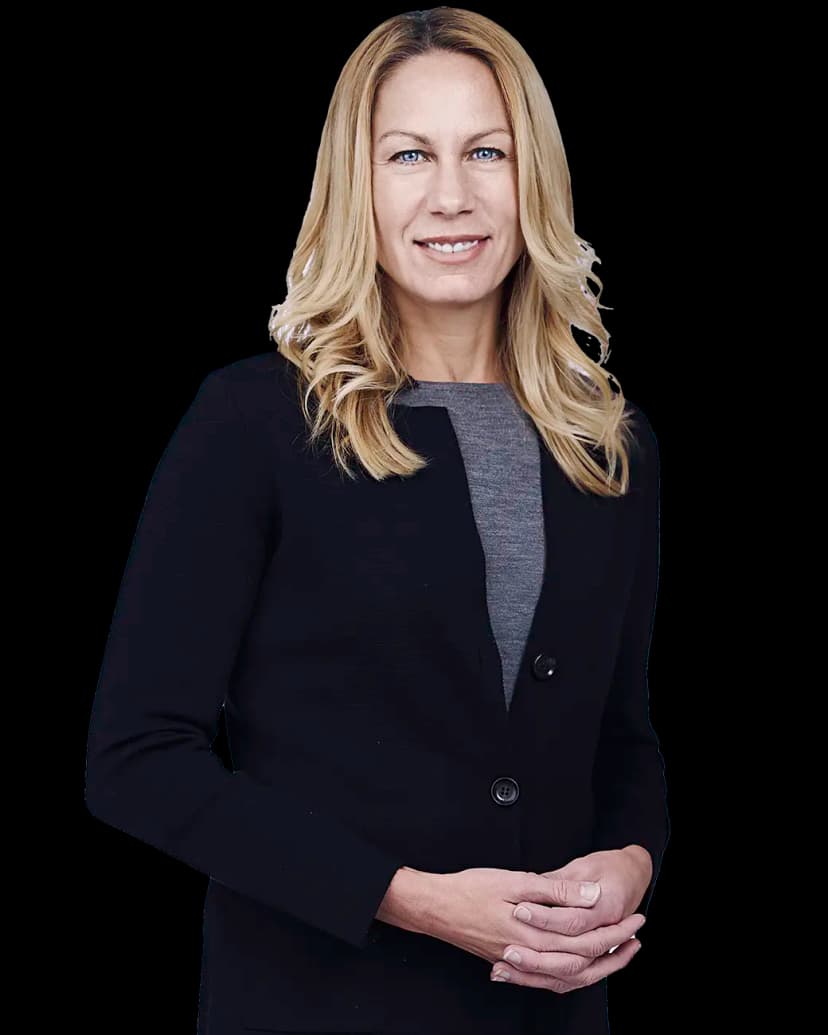
Speaking recently with the National Post, Wendy Wagner, head of Gowling WLG's International Trade Group, examined why the Trump administration turned to Section 338, how the measure differs from previous tariff mechanisms, and what it signals for Canada-U.S. trade relations. Wendy also discussed the implications for CUSMA, the administration's increasingly transactional approach to trade policy, the uncertainty facing cross-border businesses and supply chains, and the challenges surrounding Canada's response to further tariff escalation.
“It’s pretty clear why this mechanism is being used because it appears to not have those same procedural steps that need to be taken for some of the other trade actions that they have at their disposal. It’s just a kind of an IEEPA substitute.”
To read the full article, click the link below (subscription may be required):
About Gowling WLG's International Trade & Customs Group
International trade is changing rapidly. From tariffs and customs compliance to sanctions, export controls and trade remedies, businesses need practical legal advice to navigate an increasingly complex global environment. Gowling WLG's International Trade & Customs Group helps clients manage cross-border risk, respond to evolving regulatory requirements and capitalize on international business opportunities through strategic, business-focused legal solutions. To learn more.