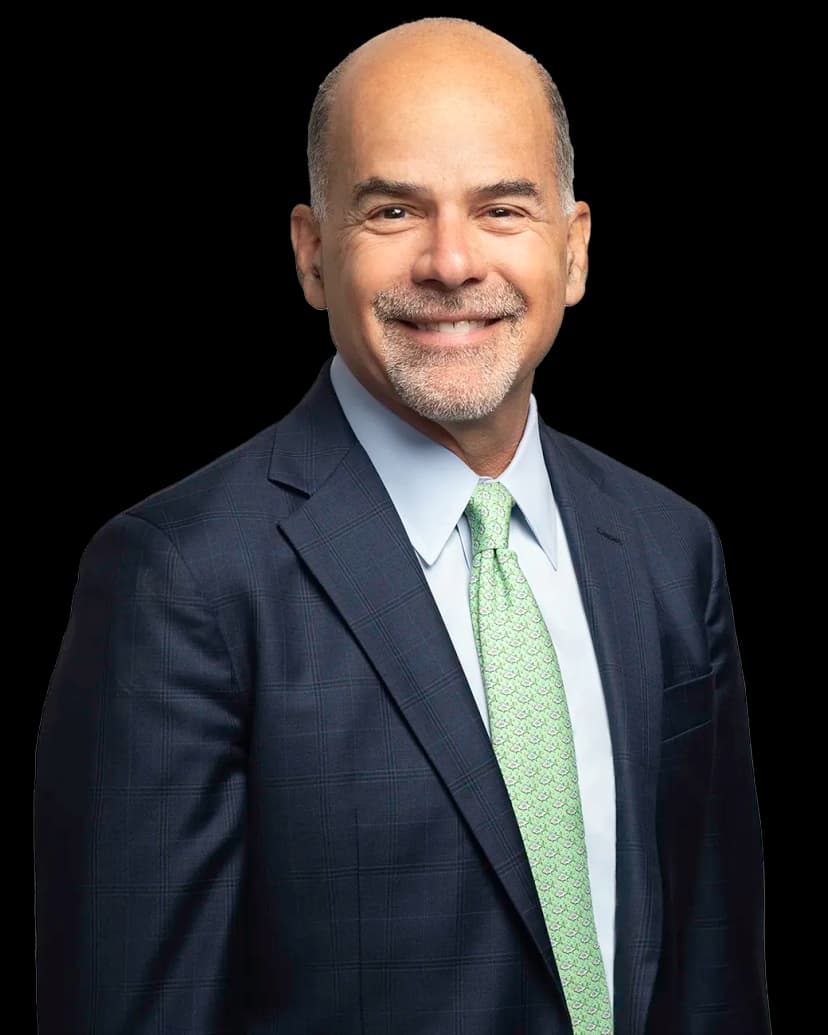
Stephen A. Pike, ICD.D
Partner
Co-head - Canadian ESG Advisory Services Practice


Article
4
On January 1, 2026, Public Safety Canada opened its portal for the filing of reports under the Fighting Against Forced Labour and Child Labour in Supply Chains Act (“Supply Chains Act”). As the third reporting cycle is now underway, we offer 10 key compliance tips to help you prepare your report.
Reporting under the Supply Chains Act should not be a “tick the box” exercise. The Supply Chains Act has a full array of enforcement provisions, including personal liability for directors and officers. That said, Public Safety Canada has not made public its enforcement program, but has indicated that it is “working to increase awareness of the reporting requirements, enhance analysis to promote compliance, and improve the quality of reporting information.” In the first two years of the Supply Chains Act, no orders were made under Section 18, and no charges were laid under Section 19.
The rising tide will not necessarily “lift all boats.” Comparing the data published by the Minister of Public Safety for 2024 reporting entities and 2025 reporting entities shows improved performance in the following categories:
Compare this data with your 2024 and 2025 reports to assess where progress is being made.
Unlike many of the factual disclosures in your 2026 report, disclosure of how the reporting entity assesses its effectiveness in ensuring that forced labour and child labour are not used in its business and supply chains (Section 11(3)(g)) requires careful analysis of the reporting entity’s risk management program. As noted in Public Safety Canada’s Guidance for Entities, “Entities are required to report on how they assess their effectiveness, not to give the results of that assessment. … reporting entities should describe the policies and processes they have implemented to measure their success in preventing and reducing risks of forced labour and child labour in their activities and supply chains.”
While the vast majority of reporting entities followed the attestation template provided by Public Safety Canada, in 2025 more reporting entities calibrated the attestation to address concerns about its scope, while managing the risk assumed by the director signing the attestation, including personal liability under the Supply Chains Act.
Given that the report under the Supply Chains Act must be approved by the board of directors (or other governing body), the board should be fulfilling its fiduciary duty to act in the best interests of the corporation and ensuring that its risk oversight responsibilities are fully engaged.
Public Safety Canada’s updated guidance makes it clear that while there is no minimum value of goods that an entity must import into Canada to be subject to the reporting obligation, the Supply Chains Act should be interpreted as excluding “very minor dealings.” If an entity’s importing activities are incidental, low-volume, or not central to its core business, they may qualify as very minor dealings.
In the preparation of a report, consideration should also be given to assessing the alignment of terminology used in the Supply Chains Act and the terminology used in the reporting entity’s policies, codes, and procedures. For example, a procurement policy that prohibits forced labour may not necessarily include a prohibition on child labour.
Not all supply chain reporting laws are aligned in their scope and terminology. For example, the California Transparency in Supply Chains Act only covers human trafficking and slavery. Public Safety Canada, working with the UK and Australian governments, has prepared and made available a template report for use by multi-jurisdiction reporting entities.
Public Safety Canada has identified the following common errors made by reporting entities:
As noted in Tip 1 above, reporting under the Supply Chains Act is not a box-ticking exercise. It is an offence to knowingly make a false or misleading statement in a report filed under the Supply Chains Act.
If you require guidance on compliance with the Fighting Against Forced Labour and Child Labour in Supply Chains Act, or on identifying and managing the risks of forced labour or child labour in your business operations and supply chains, please contact Stephen Pike at stephen.pike@gowlingwlg.com.
NOT LEGAL ADVICE. Information made available on this website in any form is for information purposes only. It is not, and should not be taken as, legal advice. You should not rely on, or take or fail to take any action based upon this information. Never disregard professional legal advice or delay in seeking legal advice because of something you have read on this website. Gowling WLG professionals will be pleased to discuss resolutions to specific legal concerns you may have.





Gowling WLG is an international law firm comprising the members of Gowling WLG International Limited, an English Company Limited by Guarantee, and their respective affiliates. Each member and affiliate is an autonomous and independent entity. Gowling WLG International Limited promotes, facilitates and co-ordinates the activities of its members but does not itself provide services to clients. Our structure is explained in more detail on our Legal Information page.
© 2026 Gowling WLG All rights reserved.