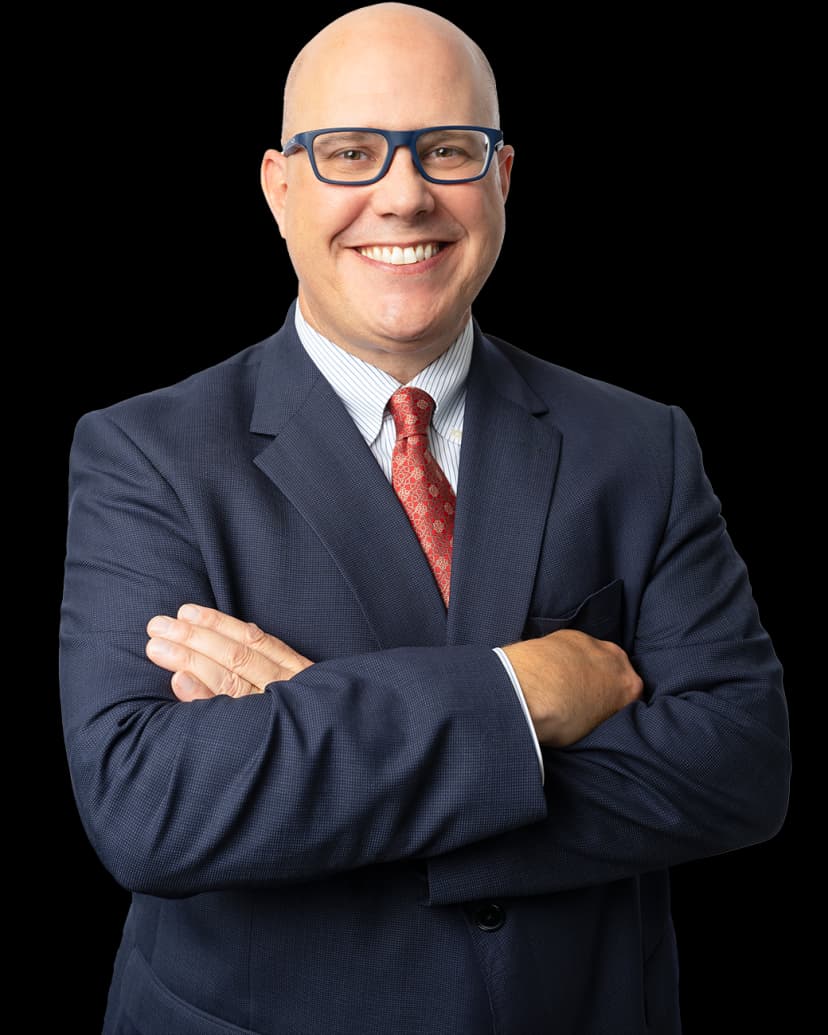
Edward (Ted) G. Betts
Partner
Head of Infrastructure and Construction Group


Article
On September 21, 2026, the federal government introduced Bill C-39, the Building Canada Strong Act. It is the latest and most comprehensive instalment in a series of federal reforms that began in 2025 with the Building Canada Act and the creation of the Major Projects Office.
The policy objective is clear: Canada needs to approve and deliver major projects faster if it is to attract investment, develop natural resources, expand energy infrastructure, and reach new markets. The government has framed this as a competitive imperative. Major projects routinely wait five years or more for all federal decisions, while competitors in the United States, the United Kingdom, and Australia have been streamlining their own processes.
Bill C-39 is an omnibus bill in three parts:
For the construction and infrastructure sectors, the most significant changes are in Part 1, and that is the focus of this article.
Bill C-39 proposes a fundamental restructuring of federal project reviews. The core elements fall under three themes: speed, consolidation, and the scope of federal discretion.
Speed
The one-year timeline does not mean less work. Proponents will need greater design maturity, earlier environmental studies, and earlier Indigenous engagement before they enter the formal process. Faster decisions will require work that is better coordinated and front-loaded.
Consolidation
Scope of federal discretion
What the Bill says
The government says Bill C-39 does not alter the Crown’s constitutional duty to consult and accommodate Indigenous Peoples. It could not do otherwise: the duty is a constitutional imperative that sits above all statutes. The Bill also expressly preserves consultation obligations, and statutory timelines may be suspended or extended for Indigenous consultation.
Can a faster process deliver adequate consultation?
The real question is whether the accelerated process is structurally capable of delivering constitutionally adequate consultation in practice. The Supreme Court of Canada has made clear in Clyde River (Hamlet) v. Petroleum Geo-Services Inc., 2017 SCC 40, that the Crown may rely on a regulatory process to discharge its duty to consult, but only if that process is adequate. The decision-maker must be satisfied that consultation is adequate before authorizing the project, and a sophisticated environmental or technical review does not, by itself, amount to meaningful consultation.
This creates a further tension. Where the Crown has deliberately narrowed or removed a regulatory process through which Indigenous participation would otherwise have helped it meet its constitutional obligations, the Crown remains responsible for the outcome.
Early works and the risk of a fait accompli
The new power to authorize preparatory work before a final decision may also engage the duty to consult. If early works proceed, the eventual approval of the project may be seen as a fait accompli, which would undermine the purpose of consultation before the decision is made.
What Indigenous groups have said
The government’s own engagement record reflects these concerns. During the 75-day consultation period on the Bill C-39 proposals, Indigenous groups raised the following issues:
Since the Bill was introduced, the Assembly of First Nations has called for sufficient time for First Nations consultation and for First Nations leaders to have an opportunity to propose amendments as the legislation proceeds through Parliament.
Bill C-39 proposes significant changes to how major projects are reviewed and approved in Canada.
If you have questions about the Building Canada Strong Act or how the proposed changes could affect your projects, please contact the authors or a member of our Infrastructure and Construction Group.
Ted Betts is a partner at Gowling WLG Canada LLP and the Head of the firm’s Infrastructure and Construction Group. He recently published an article in the CCCL Journal on “Building Canada: Applicability of Provincial Construction Laws on Federal Projects” and will be presenting a paper at the upcoming International Nuclear Law Association Congress in Wales on “Strategic Risk Management for Nuclear New Build Projects.”
Paul Seaman is a partner at Gowling WLG Canada LLP and the former Head of the firm’s Indigenous Law Group.
NOT LEGAL ADVICE. Information made available on this website in any form is for information purposes only. It is not, and should not be taken as, legal advice. You should not rely on, or take or fail to take any action based upon this information. Never disregard professional legal advice or delay in seeking legal advice because of something you have read on this website. Gowling WLG professionals will be pleased to discuss resolutions to specific legal concerns you may have.





Gowling WLG is an international law firm comprising the members of Gowling WLG International Limited, an English Company Limited by Guarantee, and their respective affiliates. Each member and affiliate is an autonomous and independent entity. Gowling WLG International Limited promotes, facilitates and co-ordinates the activities of its members but does not itself provide services to clients. Our structure is explained in more detail on our Legal Information page.
© 2026 Gowling WLG All rights reserved.