Modern Slavery
Modern Slavery Annual Transparency Statement
(in compliance with the section 54 (Transparency in Supply Chains) of the Modern Slavery Act 2015)
1) Organisation Structure & Supply Chains
Corporate Structure
Gowling WLG is an international, sector-focused law firm. As a people-first firm, our commitment to responsible business practices is underpinned by our core values and respect for human rights. We are committed to fostering fair and inclusive workplaces, protecting the rights and wellbeing of our people, and maintaining high standards across our operations and supply chains. As part of this commitment, we work to identify, prevent and mitigate risks of modern slavery through the policies, processes and controls that support ethical labour practices and responsible sourcing.
Gowling WLG (UK) LLP is a limited liability partnership registered in England and Wales (registered number OC304378). We are a global provider of legal services and operate from offices in the UK, Europe, Middle East and Asia. Along with Gowling WLG (Canada) LLP we are members of Gowling WLG International Limited, a company limited by guarantee registered in England. However, Gowling WLG (Canada) LLP and Gowling (UK) LLP operate and carry on business as independent and autonomous entities and Gowling WLG International Limited does not provide legal or other services to clients. For more information on our legal structure, please see here.
Gowling WLG (UK) LLP has annual turnover of £237m* and average number of employees of 1,396*.
Nature of our Supply Chain
As a legal services provider, we advise a diverse, multinational client base across a wide range of practice areas. The delivery of these services is supported by a broad and diverse supply chain, comprising organisations of varying sizes, from small and medium-sized enterprises (SMEs) to multinational corporations. Our key supplier categories include property and facilities management services (such as office leasing, catering, cleaning, security and maintenance), technology and telecommunications, office supplies and equipment, business support services (including printing, reprographics, scanning and transcription), and professional services such as consultancy, recruitment and specialist legal support.
Our supply chain is primarily based in the UK. However, due to the range of products and services we require and the location of offices in our multinational business, we procure from many jurisdictions.
We have identified certain areas of our supply chain that may be at greater risk of modern slavery, particularly facilities management services and the manufacture of technology hardware. During the reporting period, we have focused on these categories to improve our understanding of potential risks and inform the development of proportionate controls and mitigation activities.
2) Policies in relation to slavery and human trafficking
We are committed to preventing acts of modern slavery and human trafficking from occurring within the business and supply chain. We expect all our suppliers to conduct their business in a lawful and ethical manner, and to adopt business practices that prevent or eliminate modern slavery and human trafficking from taking place.
Our Supplier Code of Conduct outlines the guidelines and standards to which we expect our suppliers to adhere, including our stance on modern slavery. This code is presented to each supplier during the onboarding process to encourage compliance with these standards.
As part of our sourcing and due diligence process, we require key and critical suppliers, as well as those operating in areas identified as having a higher risk of modern slavery, to complete a Responsible Business Questionnaire. We may also request copies of relevant policies and supporting documentation to gain a deeper understanding of their approach and practices. This information helps us assess suppliers' management of environmental, social and governance risks, provides greater visibility of their processes and controls, and supports collaborative discussions on opportunities to strengthen responsible business practices and mitigate potential risks.
In 2020, we joined the United Nations Global Compact (UNGC), committing to its Ten Principles, which focus on human rights, labour standards, environmental responsibility and anti-corruption. This commitment includes Principle 1, supporting and respecting the protection of internationally proclaimed human rights, and Principle 4, promoting the elimination of all forms of forced and compulsory labour. Our continued commitment to these principles was further reinforced in our 2025 Sustainability Report. We are continuing to embed a consistent approach to ongoing supplier management, incorporating governance processes and templates to ensure that risks are monitored and reduced.
Labour Practices
We are an accredited Living Wage Employer certified by the Living Wage Foundation. This means the firm goes beyond statutory requirements to pay all UK employees and apprentices at least the Living Wage Foundation's voluntary Real Living Wage. We also have internal policies to help conduct business in an ethical and transparent manner, including:
- Whistleblowing Policy
- Respect At Work Policy
- Recruitment Policy
- Procurement Policy
3) Assessing & Managing Risk
All risks, including those relating to human rights and modern slavery, are logged within the centrally managed Enterprise Risk Management processes along with mitigation measures. Where risks are deemed sufficiently high, they are reported to the Risk & Audit Committee and Board and may lead to an audit. Due to the nature of our business, the risk of modern slavery within the business has been assessed to be very low, and we manage that risk through the measures outlined within this statement.
We have established an approach for assessing risk for individual suppliers at the onboarding stage, focusing on factors such as geographical location, industry sector, and the nature of the goods or services provided.
Suppliers operating in high-risk regions or industries are scrutinised more closely. We have already identified that certain categories of suppliers potentially give rise to a higher risk of forced labour. These suppliers are subjected to additional due diligence.
Additionally, we assess prospective and existing suppliers against a range of responsible business criteria, which may include information security, employment practices, legal and regulatory compliance, business continuity, environmental management and human rights. The level of assessment is determined on a risk-based basis, taking into account the nature of the goods or services being provided. Where we identify actual or potential concerns, including those relating to modern slavery, we seek to engage with suppliers better to understand the circumstances, encourage appropriate remediation and support improvements where necessary.
We enforce policies and procedures regarding employment screening (including work eligibility checks) and employment conditions (including our London Living Wage commitments).
To date, we have not identified any occurrence of modern slavery in our supply chain, nor have we identified any risks of modern slavery that we have not been able to address through additional due diligence or engagement with the supplier.
4) Due Diligence in relation to Modern Slavery
Our procurement process incorporates a series of governance and risk assessment stages designed to support informed supplier selection and effective risk management. Depending on the nature and value of the requirement, this may include a supplier risk assessment, business case development, a competitive sourcing process such as a request for proposal (RFP), supplier evaluation, and a tender recommendation report. Once a preferred supplier has been identified, the procurement process is completed through contract review, risk assessment, internal approvals and contract execution. These controls ensure that relevant risks are considered throughout the procurement lifecycle, appropriate due diligence is undertaken, and supplier selection decisions are made with a clear understanding of any identified risks, including those relating to modern slavery and human rights.
Our due diligence procedures also aim to provide protection for whistleblowers.
5) Training
To improve our understanding, three members of the business participated in the UNGC's Business and Human Rights Accelerator in 2024. This included the Head of Procurement, a General Counsel Team representative and an internal lawyer (and Partner) leading on human Rights advice for clients. This led to an action plan focusing on supply chain activity. This plan continues to guide our approach and has since shaped updates to other guidance and processes.
All relevant employees are required to complete e-learning modules to raise their awareness of modern slavery, risk areas, and common signs.
Specifically, we require them to complete training and ongoing refresher courses on slavery and human trafficking. Training covers:
- How to identify signs of slavery and human trafficking
- What initial steps should be taken if slavery or human trafficking is suspected
- How to escalate potential slavery or human trafficking issues to relevant parties within the business
- What external help is available
- What steps we should take if suppliers in our supply chain do not implement anti-slavery policies in high-risk scenarios, including their removal from our supply chain
6) Monitoring & Evaluation
We continue to review our procurement process to ensure consistency in our approach to engaging with suppliers and encourage greater transparency in their ways of working. We are constantly updating and improving our processes as part of our improvement programme.
We use the following activities to inform improvement and report progress on environmental, social and governance (ESG) themes including those referring to modern slavery:
- Annual Sustainability Report
- UNGC Communication on Progress (CoP)
- EcoVadis) - a scorecard is available on request
Governance processes, disclosures and human rights activity are further defined on our website here. Governance | Gowling WLG
This statement is made in accordance with Section 54(1) of the Modern Slavery Act 2015 and constitutes Gowling WLG (UK) LLP's modern slavery and human trafficking statement for the financial year commencing 1 May 2025 and ending 30 April 2026. The Gowling WLG (UK) LLP Executive Board approved this statement on 15 July 2026.
Signature:
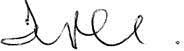
Chris Towle
Chief Executive Officer and designated member
Gowling WLG (UK) LLP
Download a copy of the 2026 Modern Slavery statement