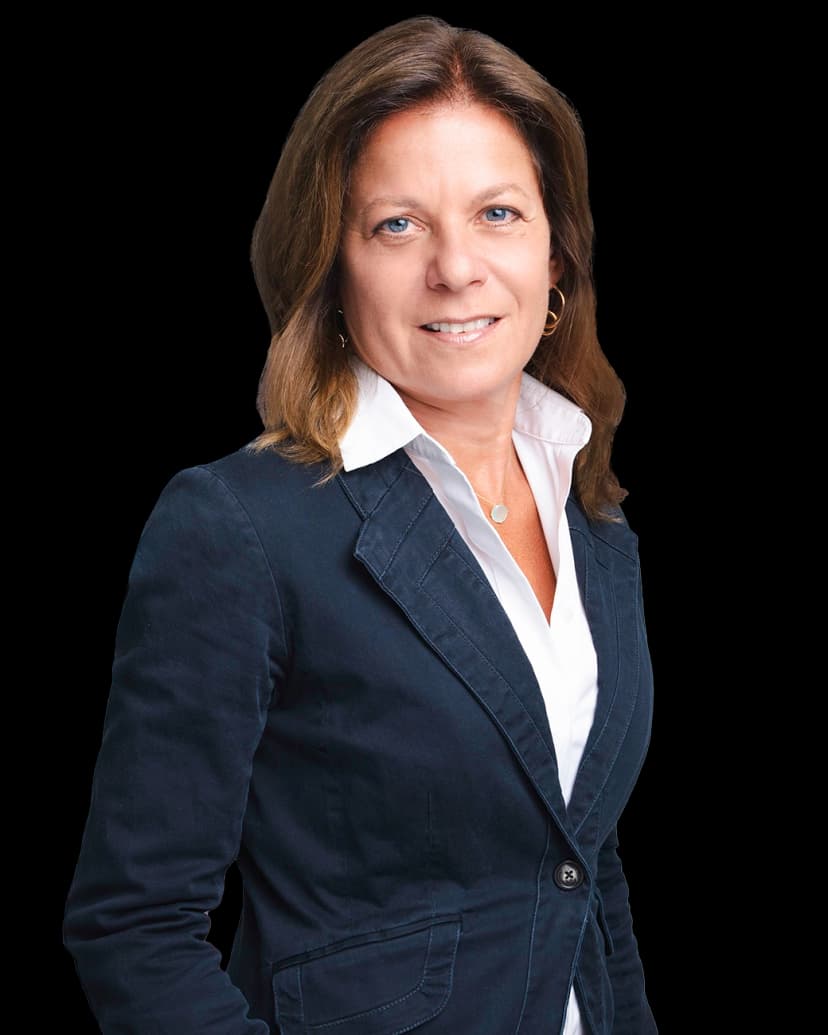
Susan H. Abramovitch
Associée
Chef – Groupe du droit du divertissement et du sport


Article
Each year, January 1 marks an important transition point in copyright law as certain works reach the end of their statutory copyright term and enter the public domain, making them available for use without authorization or licensing.
Known as “Public Domain Day,” the occasion opens the door to fresh inspiration, offering creators the chance to breathe new life into works from the past. It also highlights the long-standing balance at the heart of copyright systems: providing authors and copyright owners with meaningful, time-limited exclusive rights, while ultimately allowing creative works to become part of the shared cultural record.
In 2026, Public Domain Day looked different depending on the jurisdiction. In the United States, a new wave of works entered the public domain, including early appearances of iconic characters such as Betty Boop (Dizzy Dishes) and Blondie (her original 1930 comic strip). In Canada, by contrast, no new works entered the public domain this year—not because of revived copyrights, but because of a transitional gap created by Canada’s 2022 extension of copyright term.
Under the United States-Mexico-Canada Agreement (USMCA), Canada extended its general copyright term to align with US and EU standards for literary, dramatic, musical, and artistic works. The copyright term extended from life plus 50 to life plus 70 years, beginning on January 1 following the creator’s death. Works that were already in the public domain remain there.
Meanwhile works that would have entered the public domain under the old 50-year term are instead protected for an additional 20 years, resulting in several years with no new public domain entries. While this change creates a transitional period during which no new works enter the public domain, it reinforces stronger and longer-lasting copyright protection for authors and rights holders.
Canada is not alone. The US experienced a similar pause after its 1998 extension, when no new works entered the public domain for 20 years. That pause ended in 2019, after which Public Domain Day resumed as a regular annual milestone. Today, the US operates under a copyright structure that is comparable to Canada’s regime. Most US works also follow a life plus 70 years framework, though “works for hire” enjoy longer terms: 95 years from publication or 120 years from creation, whichever comes first.
For writers, illustrators, and animators, the 2026 US public domain unlocks a fresh slate of lawful creative opportunities. Early versions of cartoon characters such as Betty Boop, Blondie, Pluto, and Flip the Frog are now available in their original forms, allowing creators to reimagine these familiar figures in new stories, styles, or media.
Literary works featuring characters like Nancy Drew, Sam Spade, and Miss Marple can also be revisited, alongside titles such as As I Lay Dying and the Dick and Jane reading primers. As with all public-domain characters, only the version as they appeared in their earliest published works are free to use; later adaptations, such as character traits, storylines, names, and designs may still be protected.
The same is true in film and music. Early sound-era films including All Quiet on the Western Front, Animal Crackers, and The Blue Angel are now available for unlicensed use as well. Timeless songs like George and Ira Gershwin’s I Got Rhythm and Embraceable You, along with Hoagy Carmichael and Stuart Gorrell’s Georgia on My Mind, have also reached the end of their US copyright term.
Select early jazz and blues sound recordings from the mid-1920s and earlier by icons such as Bessie Smith, Louis Armstrong, Gene Austin, and Marian Anderson can now be freely sampled. After enjoying a period of protection, these works are now open to lawful reinterpretation, adaptation, and the development of new creative works, without specific authorization.
Public domain status is determined on a jurisdiction-by-jurisdiction basis. Even when works enter the public domain in one country, that freedom doesn’t automatically extend across borders. Although copyright regimes across jurisdictions are increasingly aligned, they are not all identical.
It is essential to verify whether a work that is free to use in one country is also free to use in another. Moreover, when a classic enters the public domain, only its original version is available to use, while later editions, adaptations, arrangements, or distinctive elements may benefit from copyright protection until their copyright terms expire.
As Canada and the United States now share a harmonized copyright term (life plus 70 years), their public domain timelines will increasingly align in the years ahead. Nevertheless, authors, producers, and businesses operating internationally should exercise caution. Anyone seeking to rely on these works should proceed with care. Creators should consult a legal professional before using material that appears to be freely available.
January 1 serves as a reminder of how copyright systems operate over time, balancing creator protections with public access. Copyright protection supports creativity, investment, and the sustainable development of cultural works, while the public domain ensures that those works continue to inform, inspire, and influence future generations.
From Betty Boop to Nancy Drew, these works underscore how copyright protection and the public domain operate together within the creative landscape as a whole.
If you have any questions about the use of public domain creations, please contact one of the authors or a member of our Entertainment & Sports Law team.
CECI NE CONSTITUE PAS UN AVIS JURIDIQUE. L'information qui est présentée dans le site Web sous quelque forme que ce soit est fournie à titre informatif uniquement. Elle ne constitue pas un avis juridique et ne devrait pas être interprétée comme tel. Aucun utilisateur ne devrait prendre ou négliger de prendre des décisions en se fiant uniquement à ces renseignements, ni ignorer les conseils juridiques d'un professionnel ou tarder à consulter un professionnel sur la base de ce qu'il a lu dans ce site Web. Les professionnels de Gowling WLG seront heureux de discuter avec l'utilisateur des différentes options possibles concernant certaines questions juridiques précises.




Gowling WLG est un cabinet juridique international constitué des membres de Gowling WLG International Limited, une société à responsabilité limitée par garanties enregistrée en Angleterre, ainsi que leurs affiliés respectifs. Les membres et affiliés constituent des entités autonomes et indépendantes. Gowling WLG International Limited promeut, facilite et coordonne les activités de ses membres, mais ne fournit pas elle-même de services aux clients. Pour en savoir davantage sur notre structure, consultez notre page Avis juridique.
© 2026 Gowling WLG Tous droits réservés