
7
countries generate 100% of electricity from renewable sources

The winds of change are blowing across the global energy landscape, signalling a future powered by cleaner, smarter solutions.
Across continents, governments, businesses, institutions and individuals are rethinking how energy is produced, distributed and consumed. We explore the progress already made, the innovations shaping tomorrow’s energy systems, and the critical actions required to accelerate change in the decades ahead.
As global temperatures rise, there are growing concerns over the long-term effects of climate change. Governments, businesses, institutions and individuals are recognising the importance of transitioning towards renewable energy sources. The energy transition is a crucial step in reducing co2 emissions to mitigate climate change and its risks.
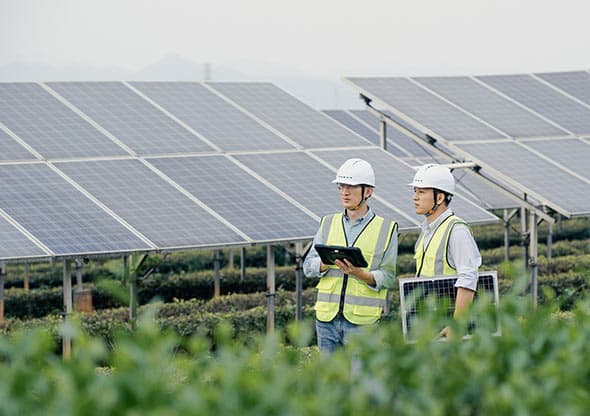
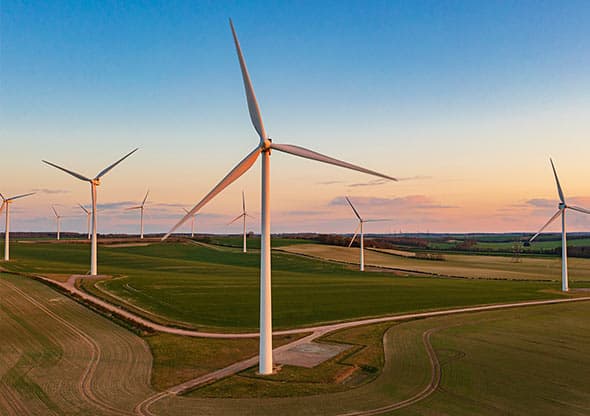
At its core, the global energy transition involves a transformation in how we generate, distribute and consume energy. It's a fundamental shift from the use of fossil fuel-based energy sources, such as coal, oil and natural gas, to a renewable energy mix derived from technologies such as solar, wind, hydroelectric and geothermal power.
The energy transition also involves the enhancement of energy systems and the adoption of innovative technologies to both manage demand and to produce, store and distribute energy in a more sustainable, efficient and economically viable way.
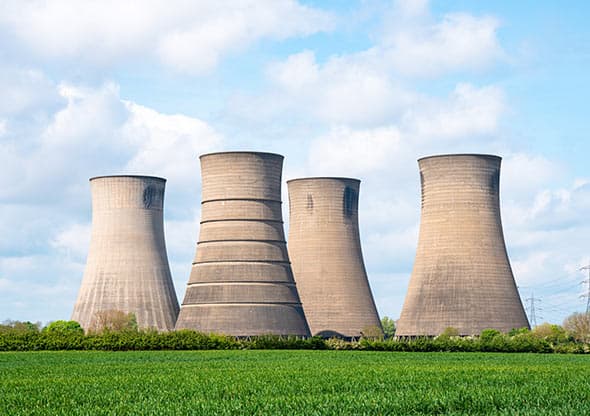
Often used interchangeably, there is a difference between 'renewable' and 'clean' energy. Renewable energy is derived from sources that are naturally occurring which can be replenished over time, like solar and wind, making them the most sustainable. Clean energy on the other hand focuses on minimising emissions and are considered low carbon energy sources, nuclear power viewed by some as the principal source.
The built environment is currently responsible for 30% of global energy consumption, making it one of the highest consumers of energy behind industrial and transportation sectors. With this high demand of energy, it's imperative that the energy transition in the real estate sector happens sooner rather than later.
Buildings traditionally have been seen as very difficult to decarbonise, but rapid technology development is creating opportunity to change the future of buildings. New technologies such as fully transparent PV panels means that every window of a building could generate solar power. Carbon-negative cement and green steel could also play a large part in reducing the environmental impact of construction.
A significant strategy in decarbonising buildings is retrofitting. As demolition and construction of buildings releases the most carbon emissions in a building's lifecycle, retrofitting with the latest technologies and advanced materials presents substantial opportunities to optimise the energy performance of buildings, extend their lifespan and reduce the overall energy consumption of the built environment. Installing LED lighting, and electrifying cooking, heating and cooling systems, replacing traditional gas boilers with heat pumps, are all components of retrofitting.
More comprehensive renovations - known as 'deep retrofit' - involving external insulation, replacing windows and dealing air leaks, result in much greater reduction in energy consumption. This type of improvement is focused on the 'building envelope' - the exterior shell of a building that separates the inside from the outside.
This highlights another strategy for buildings in the energy transition, the 'building-envelope first' or 'fabric first' approach. This strategy outlines the need to prioritise the energy efficiency of a building's outer shell before implementing other renewable energy solutions. Many countries, including the UK, US, and China, have adopted this approach.
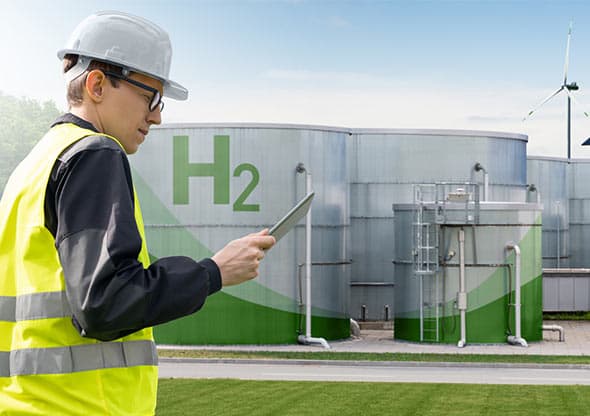
How is hydrogen evolving as part of the energy mix and what role can it play in supporting energy decarbonisation? And, what are the main barriers to hydrogen becoming a significant component of future energy usage?
Watch our on-demand webinar with Co-chair of our global Energy team Gareth Baker, and Natural Resources Forum to find out more about the decarbonisation of energy with hydrogen.
Data centres have become an increasingly integral part of our modern lives – they're a physical home to our digital information and other forms of IT equipment that power services and platforms.
Data centres currently consume 3% of the world's electricity to keep up with the demand for data storing and processing. As advancements in technology and computing continue, it's clear that demand will rise steeply and there is a critical need to make data centres greener. Studies have warned that the AI industry alone could consume as much energy as the size of the Netherlands by 2027.
To manage the efficiency of data centres, new technologies are needed to reduce the amount of energy consumed by these centres. Cooling data centres is one of the largest consumers of energy, so there is a need for drastic change towards more sustainable cooling methods. The rise of battery storage technologies also provides more storage options for data centres, allowing a constant power supply without the need to source energy from the grid at peak times.
In this article our team of data protection experts explore the UK Government's approach to data centre planning and its endorsement into the digital economy.
The Paris Agreement set ambitious goals to limit global warming to well below 2°C above pre-industrial levels, with an aim to limit the temperature increase to 1.5°C.
To achieve these goals, the agreement established three key milestones:
By 2025: countries should enhance their climate commitments.
By 2030: they must significantly reduce greenhouse gas emissions.
By 2050: a major portion of global energy should come from renewable sources.


By 2025: countries should enhance their climate commitments.
By 2030: they must significantly reduce greenhouse gas emissions.
By 2050: a major portion of global energy should come from renewable sources.
By 2025: countries should enhance their climate commitments.
By 2030: they must significantly reduce greenhouse gas emissions.
By 2050: a major portion of global energy should come from renewable sources.
Whether these timings and targets are achievable is heavily debated, especially given existing economic and political barriers.
Despite the challenges, the global energy landscape continues to evolve and the collective shift towards renewable energy is gaining momentum.

Partner
Global Co-Lead of the Energy Nuclear Natural Resources and Infrastructure Sector
London


Partner
Global Co-lead of the Energy Nuclear Natural Resources and Infrastructure Sector
Head of Projects

Partner
Leader - Energy Practice Group (Canada)
Toronto






Gowling WLG is an international law firm comprising the members of Gowling WLG International Limited, an English Company Limited by Guarantee, and their respective affiliates. Each member and affiliate is an autonomous and independent entity. Gowling WLG International Limited promotes, facilitates and co-ordinates the activities of its members but does not itself provide services to clients. Our structure is explained in more detail on our Legal Information page.
© 2026 Gowling WLG All rights reserved.
